Aniline Leather Texture Backgrounds
First Impressions: That Warm, Time-Worn Whisper
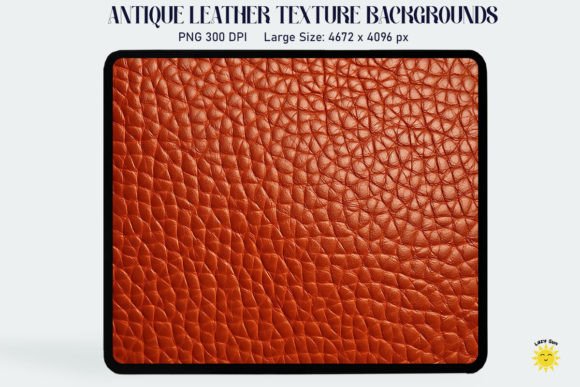
When I opened Aniline Leather Texture Backgrounds, what struck me wasn’t just the visual — it was the *feeling*. This isn’t glossy faux-leather or cartoonish grain. It’s quiet, layered, softly distressed — like the spine of a well-loved journal or the worn patch on a vintage leather satchel. The antique leather texture carries subtle tonal shifts, gentle creases, and a soft, organic irregularity that avoids digital sterility. As a designer who regularly selects backgrounds for embroidered patches, tote bag linings, and boutique pillow covers, I immediately pictured it behind delicate monogrammed initials on a linen tea towel — not competing, but grounding.
A Real Project Moment: Stitching It Into a Handmade Tote
Last week, I prepped a custom order: an embroidered canvas tote for a local bookstore owner. She wanted “timeless, tactile, and quietly luxurious” — no logos, no slogans, just craftsmanship you could feel. I considered Aniline Leather Texture Backgrounds as the base layer beneath a simple serif “EST. 1987” embroidery. Not as a standalone print, but as a *textural suggestion* — something that would read as rich and intentional when stitched, not flat or generic. On screen, it looked promising. But the real test came when I mocked it up on actual fabric: printed the PNG at 300 DPI onto transfer paper, then heat-applied it to natural canvas before stitching over it with matte cotton thread. The result? A cohesive, heirloom-quality surface — the leather texture softened the contrast between thread and fabric, making the embroidery feel embedded, not imposed.
Where It Shines (and Where It Asks for Thought)
Aniline Leather Texture Backgrounds excels in projects where warmth, nostalgia, and artisanal authenticity matter most:
- Embroidered patches — especially for craft fairs or Etsy listings where buyers respond to tactile storytelling;
- Sweatshirt and tote bag designs — its low-contrast, mid-tone range plays beautifully against heather grey, oatmeal, or charcoal fabrics;
- Baby embroidery and nursery decor — the muted, non-distracting grain adds sophistication without overwhelming delicate motifs;
- Holiday and wedding gifts — think embroidered kitchen towels or linen napkins where the background whispers tradition rather than shouts;
- Digital product previews — as a background in printable mockups for embroidery files, it instantly elevates perceived value over plain white or gradient fills.
That said, it’s not universally plug-and-play. Use caution on:
- Small hoop sizes (<5" diameter) — fine details in the grain can blur or pixelate if scaled too small;
- Stretchy or thin fabrics — the texture reads best on stable, medium-weight substrates like duck canvas, twill, or linen; on jersey or rayon challis, it may visually compete with drape;
- Dark fabric backgrounds — since this is a PNG with transparent areas (not a full-color fill), ensure your base fabric color complements its warm, antique tone — deep navy or black may mute its nuance;
- Curved surfaces like caps or curved pillow seams — test how the texture flows across seams and bends before committing to production;
- Dense stitch areas — avoid placing intricate satin-stitch borders directly over high-contrast grain zones unless you want visual tension (sometimes intentional, often not).
How It Shapes Perception — Beyond the Stitch
Backgrounds like Aniline Leather Texture Backgrounds do more than fill space — they shape trust. A customer browsing your Etsy shop sees a listing with this texture behind a hand-lettered design, and they subconsciously register care, continuity, and intentionality. It signals that you’re not just stitching letters — you’re curating an experience. For small shop owners building brand consistency, it offers subtle cohesion across product categories: same leather tone behind a baby onesie embroidery, a holiday ornament, and a café apron design. And for digital product sellers, using it in preview mockups makes your embroidery file feel like a complete design asset — not just stitches, but a finished product concept.
Practical Designer Notes Before You Stitch
Before adding Aniline Leather Texture Backgrounds to your next project, here’s what I always do:
- Test on scrap fabric first — especially if heat-transferring or printing; confirm color fidelity and grain readability post-application;
- Check thread color contrast — try your embroidery in both light and dark thread against the background; some tones recede, others pop unexpectedly;
- Review stitch density — if your embroidery includes heavy fill stitches, ensure the background texture still shows through where intended;
- Use proper stabilizer — especially on textured or loosely woven fabrics, to prevent the leather grain from distorting under needle pressure;
- Confirm licensing — since Aniline Leather Texture Backgrounds is a graphics asset, verify whether commercial use (e.g., selling finished embroidered goods or digital mockup kits) is permitted;
- Compare light/dark fabric mockups — don’t rely solely on screen previews; print or simulate how it behaves on your actual product base.
It’s not flashy. It won’t go viral for its novelty. But Aniline Leather Texture Backgrounds earns its place in my working library because it *works* — quietly, consistently, and with unmistakable craft sensibility. Whether you're embroidering a personalized gift, building a cohesive Etsy collection, or designing a boutique’s signature tote, it’s the kind of background that doesn’t shout — it settles in, supports, and stays memorable.