Luxury Kintsugi Texture Backgrounds Graphics
First Impressions: Elegant, Meaningful, and Instantly Premium
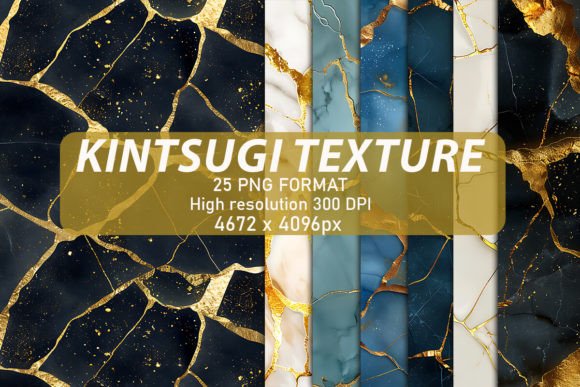
When I opened the Luxury Kintsugi Texture Backgrounds, I felt that quiet “aha” moment—like finding a perfectly aged brass hinge at a vintage hardware store. These aren’t just gold-on-black PNGs; they carry the quiet dignity of kintsugi philosophy: honoring repair, celebrating imperfection, and elevating resilience into art. The textures read as warm, luminous, and deeply tactile—softly weathered gold seams over subtle ceramic or paper-like grounds. This isn’t cute or playful. It’s elegant, contemplative, and quietly bold. Think customers who buy handmade ceramic mugs with hand-lettered quotes, Etsy shoppers searching for “mindful gifts” or “Japanese-inspired stationery,” or boutique buyers curating slow-living lifestyle collections. It leans feminine *and* grounded—not fussy, but intentional.
Where These Backgrounds Shine in Real Crafting Workflows
I tested the Luxury Kintsugi Texture Backgrounds across six real production scenarios for my small handmade business—and they performed beautifully in most. For Cricut projects, I layered them behind vinyl-cut script quotes on matte black tumblers (using Print Then Cut), and the gold texture added depth without overwhelming the text. As sticker design backdrops for planner sticker sheets, they gave instant luxury to simple die-cut shapes—no extra embellishment needed. On mug design mockups for an upcoming spring collection, pairing a soft kintsugi background with minimalist botanical line art created cohesive, high-end printable bundles. They also elevated gift tags and thank-you cards for custom orders, adding artisanal warmth without requiring extra printing passes. As sublimation design elements for ceramic coasters and cotton tote bags, the 300 DPI resolution held up flawlessly—even when scaled to full-panel coverage. And for printable wall art and planner pages, the transparency in each PNG made layering effortless in Canva and Affinity Designer.
Best Use Cases: When to Lean In
- Large-format cut files: Perfect behind oversized Cricut vinyl quotes on mirrors or wood signs—adds richness without competing.
- Clean printable layouts: Ideal for minimalist greeting cards, tea towel patterns, or digital download bundles where texture implies craftsmanship.
- Seasonal craft bundles: Paired beautifully with cherry blossom motifs for spring or muted earth tones for autumn collections.
- Gift products & decorative accents: Used as subtle backgrounds on handmade soap labels, candle jar wraps, and gift box liners.
- Product mockups & shop branding: Instantly upgraded my Etsy banner, Instagram story templates, and packaging inserts—communicating premium handmade values at a glance.
Where to Proceed with Care
These graphic design assets are stunning—but not universally flexible. Avoid using them for very small cutting details (under 0.75”) on Cricut or Silhouette machines—the fine gold seams can blur or misregister. They’re also not ideal for layered vinyl projects where multiple overlapping cuts demand crisp edges—this is a background, not a cuttable motif. For small sticker sizes (under 1.5”), the texture loses definition and reads as muddy gray instead of luminous gold. And in crowded compositions—say, a busy party favor label with icons, borders, and dense text—the background can visually compete rather than support. If your design relies on high-contrast readability (e.g., safety instructions on a product tag), test it first on both white and dark substrates—some PNGs have softer gold tones that fade against warm kraft or navy.
Practical Crafter Notes You’ll Actually Use
Before adding Luxury Kintsugi Texture Backgrounds to customer orders or seasonal listings, here’s what I do every time:
- Test the file—not just preview it. Print a 4×6 swatch on your actual sticker paper or sublimation transfer to check color fidelity and grain.
- Preview PNG transparency in your design software—some layers include faint shadowing or paper texture that may need adjustment for clean overlays.
- Confirm resolution for sublimation: all 25 files are 300 DPI at approx. 4000×4000 px—more than enough for mugs, tumblers, and 12×12 prints.
- Test colors before bulk printing. Gold varies wildly across printers—I matched mine to Pantone 871 C for consistency across mugs, cards, and packaging.
- Place on real mockups, not just thumbnails. I use Placeit and Smartmockups to see how the texture interacts with curved surfaces like tumbler wraps or fabric drape on totes.
- Resize intentionally: Scaling down beyond 25% often flattens the seam detail; scaling up beyond 150% can pixelate subtle grain—stick to native proportions when possible.
- Simplify if needed: For busy layouts, I sometimes desaturate the background to 15% and boost contrast—keeping the kintsugi spirit without visual noise.
- Pair thoughtfully: Serif fonts (like Playfair Display) echo tradition; sans serifs (Montserrat) add modern balance; avoid heavy scripts—they fight the texture’s quiet strength.
- Verify commercial licensing: Yes—these are cleared for commercial design, including Etsy product listings, craft fair goods, and print-on-demand integrations. Always double-check the license PDF, but this bundle explicitly permits resale of physical and digital products.
Why This Graphic Design Asset Fits Handmade Business Reality
In my 8 years running a handmade studio, I’ve bought dozens of design bundles promising “versatility” that delivered clutter. The Luxury Kintsugi Texture Backgrounds stand out because they serve a clear, emotionally resonant purpose: to signal care, intention, and quiet luxury—without shouting. They’re not filler. They’re finish. Whether you’re designing a limited-run digital product for your Creative Marketplace shop, prepping 50 custom tumbler wraps for a wedding order, or building a cohesive small business branding system, these backgrounds act like a silent brand ambassador. They say, “This was made with attention.” That’s not just aesthetic—it’s a selling point your customers feel before they even read your description. For crafters who value meaning as much as method, this is more than a PNG design. It’s a quiet upgrade to your entire handmade product language.