Vintage Lighthouse Backgrounds
First Impression: Nostalgic, Calm, and Quietly Confident
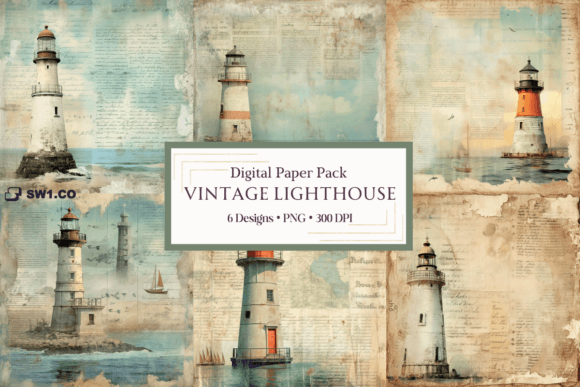
When I opened the Vintage Lighthouse Backgrounds ZIP file and scrolled through the six 12×12 inch PNGs, what struck me wasn’t just the clarity—but the quiet intention behind each one. These aren’t busy or over-rendered; they’re atmospheric, with soft edges, subtle grain, and a gentle sense of depth. Think coastal postcards from the 1940s: weathered wood, muted blues and creams, faint halos around lantern light. As an embroidery designer who’s stitched lighthouses on everything from baby onesies to boutique aprons, I immediately sensed their potential—not as standalone motifs, but as grounded, evocative backdrops that let other elements breathe.
A Real Project in Mind: Embroidering a Linen Tote for a Coastal Boutique
Last week, I was prepping a custom order for a small Maine-based gift shop: three linen tote bags, each featuring a hand-stitched lighthouse motif centered over a textured background. I pulled up Vintage Lighthouse Backgrounds to test how it would translate when digitized and stitched at 8 inches wide (a common tote scale). The clean 3600×3600 px resolution gave me room to scale without pixelation—and more importantly, preserved delicate details like window mullions and rope-wrapped railings. That matters. On linen, which has natural slubs and low stretch, those fine lines stayed legible in fill stitch, especially with a medium-density satin outline. It didn’t fight the fabric—it complemented it.
Where It Shines (and Where It Needs Care)
Vintage Lighthouse Backgrounds works beautifully for:
- Embroidered patches — the even layout and balanced negative space make them ideal for borderless, sew-on applique designs;
- Sweatshirt embroidery — the vintage palette reads clearly against heather grey or navy, and the moderate detail avoids excessive stitch density;
- Baby embroidery — soft tones and non-cluttered composition suit onesies and burp cloths without overwhelming tiny proportions;
- Holiday and wedding gifts — think monogrammed tea towels or pillow covers where the lighthouse adds quiet charm, not kitsch;
- Etsy listings and printable mockups — the high-res PNGs drop cleanly into Canva or Photoshop for realistic product previews.
But here’s where attention is needed:
- Small hoop sizes: At full 12-inch scale, these backgrounds won’t fit standard 4×4 or 5×7 hoops. Plan for multi-hooping—or simplify key areas if stitching on caps or curved surfaces.
- Thin or stretchy fabric: The fine lines in lantern glass or rope textures may blur or distort on lightweight knits. Use cutaway + tear-away stabilizer combo, and consider slightly bolder digitizing for t-shirts.
- Dark fabric: While the vintage aesthetic leans warm, test thread colors carefully—cream or oatmeal rayon can disappear on charcoal. A pale gold or antique white often lifts better than pure white.
- Frequent washing: These are graphics first—not optimized embroidery files. If stitching for kitchen towels or baby items, confirm your digitizer adjusts fill stitch angles and underlay for durability.
Design Judgment: How It Elevates the Finished Product
What makes Vintage Lighthouse Backgrounds feel professional isn’t just resolution—it’s restraint. In a market flooded with hyper-detailed, over-saturated “nautical” designs, this set trusts the viewer to linger. That translates directly to perceived value: customers notice the difference between a rushed clipart backdrop and something that feels curated, intentional, handmade. When used on a personalized gift—a custom embroidered pillow for a lighthouse keeper’s granddaughter, for example—the background doesn’t shout; it grounds. It says, This was chosen, not dropped in.
For Etsy sellers and small shop owners, that nuance builds trust. Buyers scrolling past dozens of “coastal decor” listings pause longer when typography and background harmonize—especially when the lighthouse sits comfortably beside a delicate script monogram or a simple botanical sprig. And yes, it supports brand consistency: whether you’re selling embroidered aprons to bakeries or nursery wall art to new parents, Vintage Lighthouse Backgrounds adapts without losing its voice.
Practical Notes Every Embroidery Designer Should Run Through
Before stitching your first project with Vintage Lighthouse Backgrounds, do this:
- Test on scrap fabric — especially if using textured weaves or dark bases;
- Check thread color contrast in both natural and artificial light—what reads well on screen may mute on fabric;
- Review stitch density in your digitized version—high-res PNGs don’t guarantee optimal stitch count;
- Confirm hoop size compatibility for your intended use case (e.g., cap front vs. tote center);
- Inspect corners and fine details at 200% zoom—if windows or railings vanish when scaled down, simplify before digitizing;
- Test black-and-white mockups to ensure tonal balance holds without color cues;
- Use proper stabilizer—especially for dense fill areas near the base or lantern dome;
- Verify licensing before selling finished items or bundling as part of a digital embroidery file pack.
Final Thought: A Thoughtful Tool, Not a Shortcut
Vintage Lighthouse Backgrounds isn’t magic—it’s a well-designed starting point. It won’t replace thoughtful digitizing, smart stabilizer choices, or knowing your fabric. But for embroidery designers and creative entrepreneurs who value mood as much as mechanics, it’s a rare find: a background that supports storytelling instead of competing with it. Whether you’re stitching a holiday gift for a sailor’s family or building a cohesive line of coastal-themed craft business products, these backgrounds earn their place—not because they’re flashy, but because they’re quietly, confidently right.