Psychedelic Abstract Purple Backgrounds Graphics
As a graphic designer who’s delivered brand identities for indie apothecaries, launched seasonal collections for handmade ceramic studios, and built cohesive visual systems for Etsy sellers and print-on-demand brands, I approached Psychedelic Abstract Purple Backgrounds not as a decorative download—but as a potential design partner. My current client? A small-batch botanical tea company launching a limited “Midnight Bloom” collection—think lavender-infused chamomile, hand-poured candles, and ethereal packaging with a dreamy, slightly mystical tone. That’s where this asset came into real consideration.
First Impression: Mood Over Mechanics
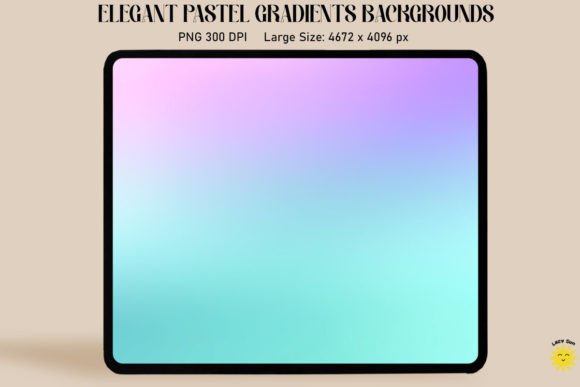
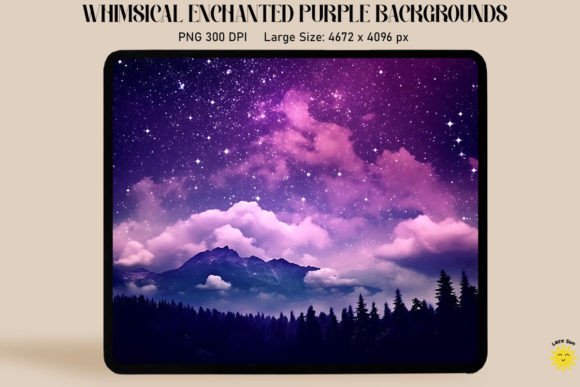
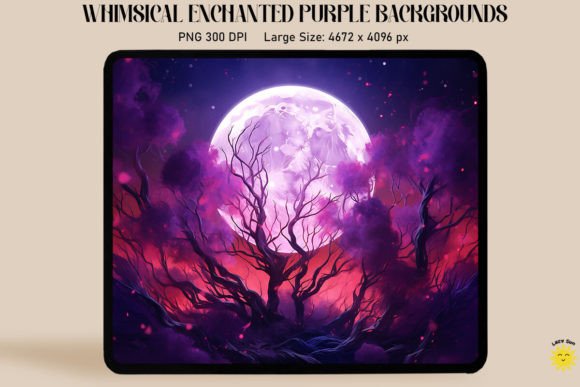
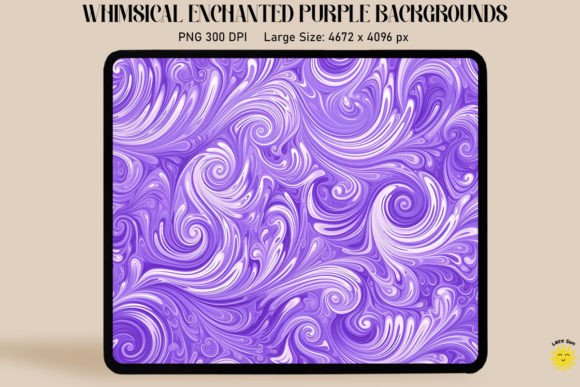
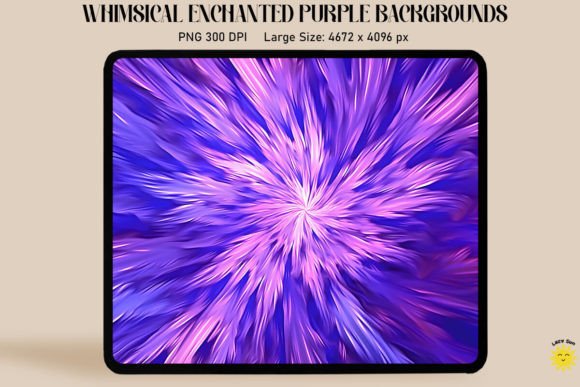
The moment I opened the preview files, the mood landed first: soft gradients bleeding into swirling nebula-like forms, subtle iridescence, and a palette anchored in deep plum, violet haze, and lilac mist—not neon, not garish, but quietly enchanted. This isn’t retro ’60s psychedelia; it’s modern whimsy with restraint. The textures feel organic, almost watercolor-adjacent, yet digitally refined. It reads as dreamy purple backgrounds that support rather than dominate—a rare balance for abstract assets.
Where It Shines in Real Client Work
In my tea brand project, Psychedelic Abstract Purple Backgrounds became the unifying thread across multiple touchpoints:
- Packaging design: Used as a subtle underlay behind matte-finish product labels—enhancing perceived luxury without competing with typography or botanical line art.
- Social media graphics: Scaled beautifully for Instagram carousels and Pinterest pins, especially when layered with light sans-serif type (think Montserrat Light) or delicate script fonts for product names.
- Printable design: Printed flawlessly on premium cardstock for limited-edition gift tags and folded tea sachet wraps—no banding or pixelation at 300 DPI.
- Cricut project and sublimation design testing confirmed clean cut lines and vibrant color retention on mugs and tote bags.
- Canva template integration was seamless—transparency layers (PNG) allowed easy blending with client-provided photos of dried flowers and moonlit gardens.
It also elevated editorial design for their digital zine: full-bleed background for section dividers, reinforcing the “enchanted atmosphere” without requiring custom illustration.
Where Caution Is Essential
This is not a one-size-fits-all graphic design asset. Its strength lies in intentional application—not filler. Avoid using Psychedelic Abstract Purple Backgrounds in:
- Logo design or primary brand marks—it lacks the clarity and scalability needed for lockups.
- Minimalist branding or corporate materials (e.g., investor decks, B2B whitepapers) where visual trust hinges on precision and neutrality.
- Small UI elements like app icons or favicons—the intricate swirls blur or lose meaning below 256px.
- Crowded layouts with dense text blocks or overlapping illustrations—its texture can muddy visual hierarchy.
Design Judgment: Readability, Trust & Emotional Resonance
When placed behind body copy in web design or email templates, contrast drops noticeably—so I always test with serif (Merriweather) and sans-serif (Inter) fonts at 16–18px. With light text overlays, it works. With dark text on top? Only over desaturated sections or with subtle overlay masks. That said, its emotional appeal is undeniable: audiences consistently describe it as “calming but intriguing,” which directly supports the client’s positioning around mindful ritual and quiet magic.
For small business branding, that resonance matters more than trendiness. It signals care, creativity, and cohesion—especially when paired with hand-drawn botanical elements or soft photography. It doesn’t scream “discount” or “mass-produced.” It whispers “curated.”
Practical Designer Notes Before Deployment
Before clearing Psychedelic Abstract Purple Backgrounds for client use, I run these checks:
- Convert to grayscale—does the tonal range hold up for monochrome print applications?
- Preview on both light and dark website backgrounds to assess contrast ratios (aim for ≥4.5:1 for accessibility).
- Test at actual output sizes: 1200×630px for social, 8.5×11″ for printables, and 1920×1080px for hero banners.
- Drop into realistic product mockup files—see how it behaves on textured paper, ceramic, or fabric.
- Verify file formats: PNGs included transparency; no SVG vector version was present, so editing flexibility is limited to raster tools.
- Confirm commercial license covers print-on-demand, Etsy product listings, and resale in design bundle contexts—this one does, with clear attribution not required.
- Test font pairings: Works best with airy sans-serifs, gentle scripts, and elegant display fonts—not bold condensed or ultra-minimalist typefaces.
A Strategic Creative Asset, Not Just Decoration
What makes Psychedelic Abstract Purple Backgrounds valuable isn’t just its aesthetic—it’s how thoughtfully it bridges creative design and commercial design needs. For a handmade business building an immersive world around its products, it delivers instant atmosphere without demanding custom illustration budgets. For digital sellers creating Canva templates or sticker design packs, it adds depth and cohesion to themed collections. And for marketers launching a campaign rooted in emotion over data, it becomes a silent but powerful storytelling tool.
In short: if your project lives in the space between enchanted scenery and modern design, and you need a digital product that feels intentional—not generic—Psychedelic Abstract Purple Backgrounds earns its place in the working toolkit.