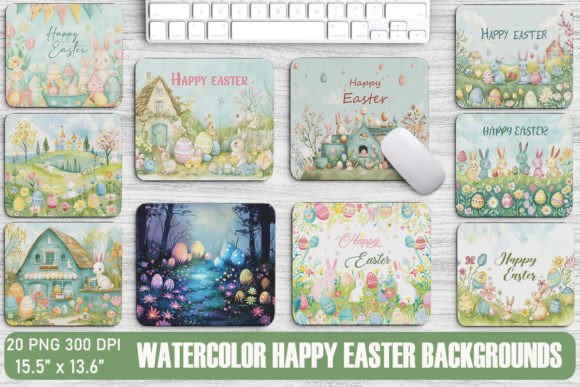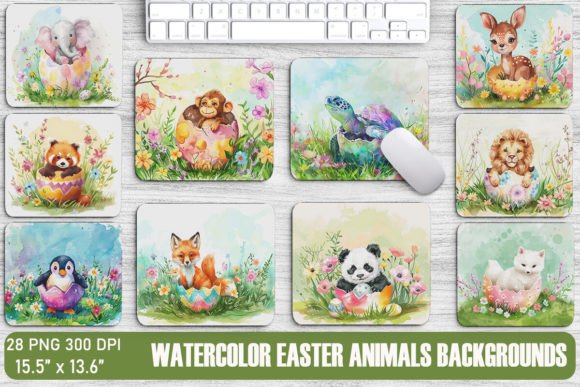
Cute Animals in Easter Egg Backgrounds
First Impression: Whimsy That Stitches Well
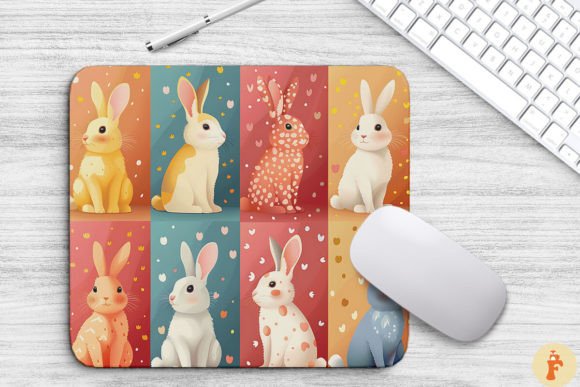
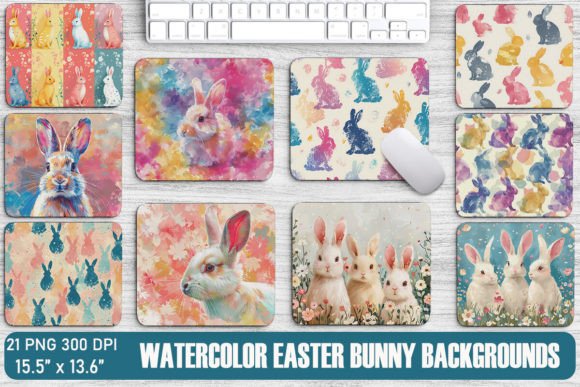
When I opened Cute Animals in Easter Egg Backgrounds, my immediate thought wasn’t “cute”—it was “workable.” As someone who’s stitched hundreds of holiday designs across apparel, nursery items, and boutique merchandise, I’ve learned that charm without clarity rarely survives the needle. These 28 PNG files deliver soft watercolor textures and gentle outlines—not sharp vectors or hyper-detailed line art—so they read as joyful, not fussy. The animals (bunnies, chicks, lambs, ducklings) nestle inside stylized Easter eggs with subtle gradients and light brushwork. There’s no heavy black outlining, no tiny facial features that vanish under satin stitch, and no overlapping elements that’ll cause thread jams or density issues. That’s a win before you even load a hoop.
A Real Project Test: Embroidering a Linen Kitchen Towel
Last week, I used one of the medium-sized egg backgrounds—featuring a sleepy bunny cradling a pastel-blue egg—to embroider a 100% linen tea towel for a local café’s Easter pop-up. Why this design? Because its balanced negative space gave the towel breathing room, and the watercolor wash translated beautifully into a low-density fill stitch with variegated cotton thread. Customers didn’t just smile—they paused. One asked if it was hand-painted first. That’s the quiet magic of Cute Animals in Easter Egg Backgrounds: it feels handmade *before* it’s even stitched. It doesn’t scream “digital graphic”; it whispers “thoughtful detail.” For small shop owners and Etsy sellers, that perception lifts perceived value—and justifies a higher price point on embroidered kitchen linens, baby blankets, or boutique aprons.
Where It Shines (and Where to Pause)
Cute Animals in Easter Egg Backgrounds excels on stable, medium-weight fabrics: cotton twill for tote bags, piqué for polo-style sweatshirts, brushed cotton for pillow covers, and midweight linen for tea towels. Its open composition handles gentle curves well—think curved hemlines on kids’ smocks or the rounded front of a denim cap. On baby onesies? Choose the simpler egg layouts (single animal, minimal background texture) and pair with lightweight cutaway stabilizer. The watercolor softness avoids harsh contrast that can overwhelm delicate skin or tiny garments.
But be thoughtful with execution. On dark fabric, test thread colors carefully—the pale watercolor tones don’t always translate with high contrast; sometimes a warm ecru or heather gray thread reads truer than stark white. On stretchy knits (like jersey tees), avoid the most intricate egg borders; opt instead for versions with bolder internal shapes and less fine-line detail. And skip ultra-small hoops (<3”): the subtle gradients and blended edges need at least 4” of real estate to resolve cleanly in stitch. Dense fill areas—especially where egg shells meet animal fur—can trap lint or cause skipped stitches if your machine’s tension isn’t dialed in. A quick run on scrap fabric with your usual stabilizer stack is non-negotiable.
Commercial Use Reality Check
If you’re an embroidery designer building digital product bundles, a craft business owner prepping holiday inventory, or an Etsy seller listing personalized Easter gifts, Cute Animals in Easter Egg Backgrounds is a smart asset—but only if you treat it like one. These are PNG graphics, not native embroidery files. That means you’ll need to digitize them yourself or hire a digitizer who understands how watercolor edges behave under satin and fill stitch. Don’t assume auto-digitizing software will preserve the mood; it often flattens nuance into muddy fills or over-traced outlines. I recommend using them as *art references*, not direct imports—trace key shapes, simplify gradients into tonal zones, and build stitch logic around rhythm, not replication.
For commercial embroidery projects—custom sweatshirt orders, boutique branding, or wholesale nursery decor—this collection supports brand consistency when used intentionally. Pair it with clean sans-serif monograms or simple “Happy Easter” text in a matching palette, and you’ve got cohesive, ownable design assets. But remember: licensing matters. Since the listing states “WHAT’S INCLUDED ★ 28 PNG files,” confirm whether commercial redistribution (e.g., selling the PNGs as part of a design bundle) is permitted. For finished products—embroidered patches, tote bags, or baby onesies—you’re almost certainly covered, but always verify.
Practical Designer Notes You’ll Actually Use
- Test on scrap fabric first—especially with textured weaves like herringbone twill or slubbed linen.
- Check thread color contrast on both light and dark backgrounds before stitching client work.
- Review stitch density in your digitized version—watercolor softness shouldn’t mean low stitch count in critical areas like animal eyes or egg highlights.
- Confirm hoop size matches your intended product: 5x7” works for most tote bag centers; 4x4” fits neatly on pocket flaps or baby bibs.
- Inspect small details at 200% zoom in your embroidery software—those delicate egg cracks or feather tips need at least 3–4 passes to read clearly.
- Test black-and-white mockups to see how silhouette strength holds up without color cues.
- Use proper stabilizer: medium-weight cutaway for knits, tear-away for stable wovens, and fusible + tear-away for lightweight linens.
- Verify dual-use fit: does it feel equally at home on a personalized gift *and* a wholesale order for a boutique? If yes, it’s versatile. If not, narrow your focus.
Final Thought: Not Just Easter—It’s Emotional Craftsmanship
Cute Animals in Easter Egg Backgrounds isn’t about seasonal novelty. It’s about emotional resonance delivered through considered design. When a customer receives a hand-embroidered pillow cover with a lamb nestled in a blush-pink egg, they’re not buying Easter decor—they’re buying warmth, care, and intention. That’s what makes this collection valuable for serious makers: it bridges illustration and craft in a way that feels authentic, not algorithmic. Use it with attention, digitize with respect for its watercolor soul, and let it elevate—not decorate—your next handmade product.